Vegetable Glossary

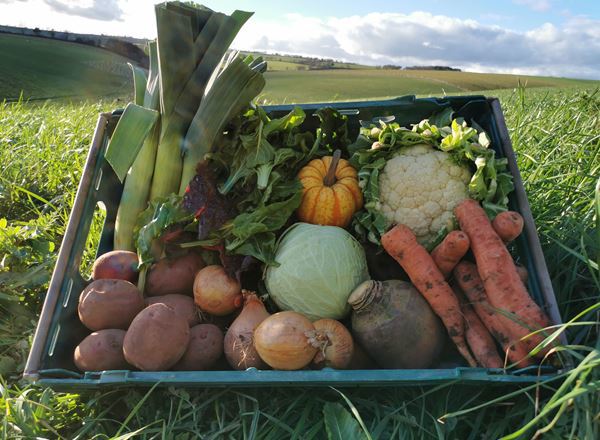
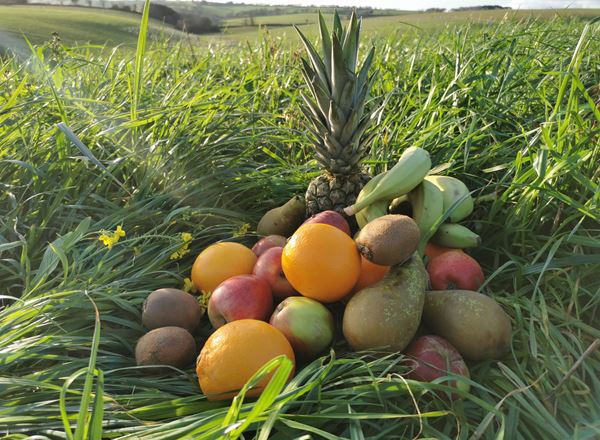
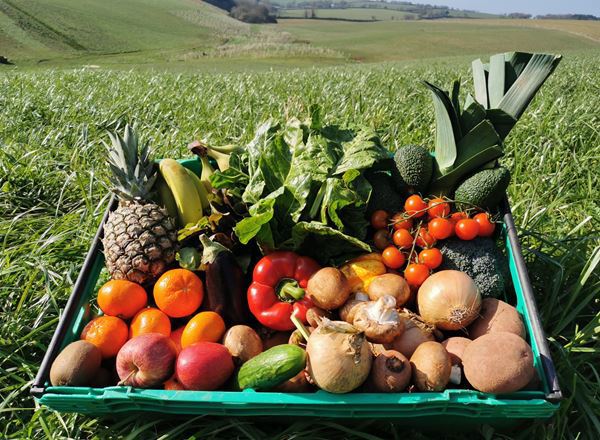
In this Vegetable Glossary you can find out information about any of the items you might have in your organic vegetable box. You can also click on the vegetable name to go directly to our recipe section, where you can find recipes that make use of that vegetable.


A B C D F G J K L M O P R S T W


Apples

AppleAKA: (Malus domestica)
Season:
Winter (September-October)
Cooking Tips:
There are many varieties of apples that can be eaten raw and as many varieties of cooking apple, which should be baked until soft or boiled and mashed to make apple sauce.
Notes: The word apple comes from the Old English word aeppel, which may be one of the most ancient Indo-European words to come down to English in a recognisable form.

Back To Top


Aubergines

AubergineAKA: Brinjal or Eggplant (Solanum melongena)
Season: Summer: July - August
Cooking Tips: Both the seeds and the flesh can be eaten but, when raw, aubergine has a somewhat disagreeable taste. Cooked aubergine becomes tender and develops a rich, complex flavour and firm texture. Salting and then rinsing the sliced aubergine helps remove much of the bitterness.
Thinly sliced aubergine can be fried or grilled (until soft) and chunks of aubergine can be added to casseroles.

Back To Top


Basil

BasilAKA: Albahaca, St. Joseph's Wort or Sweet Basil (Ocimum basilicum)
Season: Summer: June-October
Cooking Tips: Basil is most usually used fresh, however where cooked, it is generally added at the last moment, since cooking quickly destroys the flavour. Fresh basil can be kept for a short time in plastic bags in the refrigerator, or for a longer period in the freezer, after being blanched quickly in boiling water.
Notes: We usually pack basil leaves in with our bags of tomatoes.

Back To Top


Beetroot

BeetrootAKA: Blood Turnip (Beta vulgaris vulgaris)
Season: Summer and Winter varieties
Cooking Tips: Beetroot can be cooked, peeled and eaten warm with butter; cooked, peeled, pickled and eaten cold as a condiment; or peeled raw, shredded and eaten as a salad. The leaves and stems of young beetroot can be steamed and these and older leaves and stems can be sliced and stir-fried.
Notes: We may occasionally supply different varieties of beetroot such as Golden or Chioggia which has red and white concentric rings.

Back To Top


Black Cabbage

BlackcabbageAKA: Dinosaur Kale, Lacinato, Nero di Toscana or Tuscan Kale (Brassica oleracea - Acephala Group: Cavolo nero)
Season: Winter: September-March
Cooking Tips: Kale freezes well and actually tastes sweeter and tastier after being exposed to a frost. Tender shoots can provide an intense addition to salads, particularly when combined with other such strongly-flavored ingredients such as dry-roasted peanuts or tamari-roasted almonds. Kale can also be added to soups and stews and the flavour can be enhances with garlic, olive oil, fresh lemon juice, cinnamon, caraway seeds, or toasted pine nuts.
Traditional ways to prepare kale call for long boiling, about 40 minutes, until it is very soft. However, kale can also be boiled quickly, for about 5 to 8 minutes, until it is just slightly crunchy. Kale can also be sauted in oil with onions and garlic for about five minutes (after boiling for 5 minutes to enhance its flavor).
Notes: All kales are a good source of iron, calcium, vitamin C, Folic Acid, vitamin K and Carotenoids (which provide vitamin A).

Back To Top


Black Radish

BwradishAKA: Black Winter Radish, Black Spanish Round (Raphanus sativus niger)
Season: Winter: September-October
Cooking Tips: Winter Radish can be eaten raw in salads either sliced or grated, cooked like turnips or steamed.

Back To Top


Broad Beans

BroadbeanAKA: Butter Beans, English Beans, Fava Beans, Field Beans, Horse Beans, Pigeon Beans, Tick Beans or Windsor Beans (Vicia Fava)
Season: Summer: June-July
Cooking Tips: Broad beans, taken out of the pod, can be eaten raw while still young and tender. They can be fried, causing the skin to split open, and then salted to produce a crunchy snack. To cook fresh broad beans, simply blanche for about 3-4 minutes. Mature beans should be peeled to rid them of a waxy skin that surrounds each bean. The best way to do this is to blanch the shelled beans for a minute in boiling water, then plunge them into cold water, and then pull off the skins.

Back To Top


Brussel Sprouts

SproutsAKA: Brussels Sprouts (Brassica oleracea - Gemmifera Group)
Season: Winter:
Cooking Tips: Brussel Sprouts are usually boiled or steamed for 5 to 8 minutes but they can also be stir-fried or made into soup. Overcooking sprouts releases sulphur compounds in the vegetables that give them an unpleasant smell.
Many poeple cut a cross in the base of each sprout, to give more even cooking, however, many sprout connoisseurs believe that this 'crossing' leads to a leaching of flavours and that it should be avoided.
Notes: Brussel Sprouts contain high amounts of vitamin A, vitamin C, folic acid and dietary fibre.

Back To Top


Bulb Fennel

FennelAKA: (Foeniculum vulgare - Azorium Group)
Season: Summer: August-October
Cooking Tips: To prepare fresh fennel for cooking, cut off the top green stalks and, if necessary, peel away the tough outer leaves until the almost white heart is exposed. Cut the bulb in half and remove the core. Slice the halves according to your needs, either lengthwise or widthwise. The slices can be as thin or thick as you like, but this entire bulb area can be used. These can the be breaded and fried; sauted with garlic; roasted with garlic and tomatoes; braised (with chicken stock then topped with Parmesan); grilled or even eaten raw with a drizzle of olive oil.

Back To Top


Calabrese

Broccoli GreenAKA: Green Broccoli (Brassica oleracea - Italica Group)
Season: Summer: June-November
Cooking Tips: Calabrese are usually boiled or steamed (about 5-6mins) but may be eaten raw and have become popular as a raw vegetable in hors-d'oeuvre trays.

Back To Top


Carrots

CarrotsAKA: Daucus carota
Season: All Year
Cooking Tips: Carrots can be eaten raw, whole, chopped or grated into salads and are also often chopped and cooked in soups and stews.
Carrots are traditionally eaten boiled; simply chop the carrot into slices or sticks and boil for 15-20 mins until desired texture is reached (crunchy or soft).

Back To Top


Cauliflower

CauliflowerAKA: (Brassica Oleracea - Botrytis Group)
Season: Winter
Cooking Tips: Cauliflower is most commonly eaten cooked, but it may also be eaten raw or pickled. When cooking, remove the the outer leaves and thick stalks so only the flourets remain. These should be broken into similar-sized pieces so they cook evenly. Steam for eight or boil for five minuted and the florets should be soft, but not mushy. For a simple serving suggestion, try with a cheese sauce (this tastes even better if placed in a dish, sprinkled with breadcrumbs and lightly grilled for a few minutes).
Note: Three florets of raw cauliflower a day will provide you with 67% of your daily vitamin C requirement.

Back To Top


Celeriac

CeleriacAKA: Turnip-Rooted Celery, Knob Celery (Apium graveolens)
Season: Winter
Cooking Tips: Celeriac may be used raw or fresh. It is best to peel celeriac before use, since the outer skin is tough and stringy. It has the celery flavor, so it is often used as a flavoring in soups and stews; it can also be mashed or used in casseroles and baked dishes.

Back To Top


Chard

ChardAKA: Silverbeet, Perpetual Spinach or Mangold (Beta vulgaris cicla)
Varieties: Red, Rhubarb & Swiss
Season: All Year
Cooking Tips:The leaves are generally treated in the same way as spinach and the stems like asparagus. Fresh young chard can also be used raw in salads.

Bear in mind that the stalks take longer to cook than the leaves. So to cook chard you should: Wash the leaves well, to remove grit; Cut off the stems and slice them finely; Chop the leaves; Heat a little oil or butter in a pan and add the stems. Cook for 2-3 minutes; Add the leaves and stir well. Cover for 2 minutes on a gentle heat. The leaves will wilt like spinach.

Delicious with a little grated nutmeg, or you can add 2 cloves of crushed garlic add the same time as the stems. Swiss Chard can be used in place of spinach in many recipes, though it has a stronger, more earthy flavour.

Back To Top


Chervil

ChervilAKA: Gourmet's Parsley (Anthriscus cerefolium)
Season: Summer
Cooking Tips:Chervil is a delicate herb, usually used to season mild-flavoured foods such as poultry, some seafoods, and young vegetables.

Back To Top


Chives

AKA: (Allium schoenoprasum)
Season: All Year
Cooking Tips: Chives (referred to only in the plural, because they grow in clumps rather than as individual plants), is the smallest species of the onion family and its uses involve shredding its leaves (straws) as condiment for fish, potatoes and soups.

Garlic chives (Allium tuberosum) (on right in image) have thicker, flatter leaves than chives (on left) and have a mild garlic flavour.

Back To Top


Coriander

ChivesAKA: Cilantro, Dhania, Chinese or Mexican Parsley (Coriandrum sativum)
Season:
All Year
Cooking Tips: Chopped coriander leaves are most often used as a garnish on cooked dishes such as dal and other curries. Heat quickly diminishes the flavour of the leaves so they are usually used raw or added to the dish right before serving. Fresh coriander is best stored in airtight containers and kept in the fridge, (chop off the roots first). Leaves do not keep so well and should be eaten quickly, as they lose their aroma when dried or frozen.

Back To Top


Courgettes

CourgettesAKA: Zucchini, Italian Squash (Curcurbita pepo)
Season: Summer
Cooking Tips: Due to their high water content, courgettes are best steamed or cooked as quickly as possible with a minimum of water added. Over cooked Courgettes will turn to mush, young courgettes can be eaten raw in salads. The flowers of the courgette plant can also be eaten raw or cooked and their flavour is best enjoyed when stuffed.

Back To Top


Cucumber

CucumberAKA: (Cucumis sativus)
Season: Summer
Cooking Tips: Cucumber is most often eaten raw and sliced as part of a salad or in sandwiches. Fresh cucumber is a source of vitamin C, vitamin K, and potassium as well as a number of other minerals. Carrot and cucmber sticks with homous or salsa makes a good party snack. To de-seed a cucumber, slice it in half lengthwise and scrape out the seeds with a spoon.

Back To Top


Dill

DillAKA: Dillby or Shubit (Anethum graveolens)
Season: Summer
Cooking Tips: Dill leaves must be used fresh, as they lose their flavour rapidly if dried; even freeze-dried dill leaves have very little flavour.

Back To Top


French Beans

FC BeansAKA: (Phaseolus coccineus)
Season: Summer
Cooking Tips: French beans require careful cooking and for best results, should be Blanched quickly in lots of rapidly boiling salted water until just cooked (preparing them this way ensures they should retain their crunch). A pinch of bicarbonate of soda will help to preserve the colour but overcooking will not. The beans are delicious hot with butter and black pepper or cold in a salad with good olive oil. Best known in their youngest form (pencil-like when the actual bean has yet to be formed) French beans grow on to form a larger bean called a flageolet before it's final fully-grown and dried state, known as the haricot bean. (Kidney beans are a type of French bean).
Notes: French beans are a good source of vitamin A and K.

Back To Top


French Climbing Beans

F BeansAKA: (Phaseolus coccineus)
Season: Summer
Cooking Tips: When the weather is changeable, or very hot, making the growing conditions difficult, climbing French beans will often crop better than runner beans. They should be treated as runner beans for cooking.

Back To Top


Garlic

GarlicAKA: (Allium sativum)
Season: Summer
Cooking Tips: Garlic has a characteristic pungent, spicy flavor that mellows and sweetens considerably with cooking. Most commonly the cloves are used to flavour a range of dishes but the leaves, stems and flowers are also edible and most often consumed while immature and still tender. Whole cloves can be coated in oil and roasted for an excellent accompaniment to main meals or a salad. When used in other dishes, garlic cloves can be slices, diced or crushed and gently fried in oil, often with onions but before other ingredients are added.
Note:Garlic has a long history of medicinal use in cultures across the world and there is also much folklore and mysticism surrounding the plant.

Back To Top


Green Cabbage

GreencabbageAKA: Variety of Brassica oleracea
Season: Winter
Cooking Tips: Cabbage can be eaten raw (typically in thin slices or shredded in salads or coleslaw or pickled in vinegar) or cooked in stews or soups. Boiling cabbage takes 15-20 mins (or until soft) in slightly salted water and releases sugars causing cabbage's characteristic aroma.
Note:
Cabbage is an excellent source of Vitamin C.

Back To Top


Green Kale

Green KaleAKA: Variety of Brassica oleracea
Season: Winter
Cooking Tips: Kale can be cooked in the same manner as its close relative, Green Cabbage. Tender kale greens can provide an delicious addition to salads, particularly when combined with strongly-flavored ingredients such as dry-roasted peanuts, tamari-roasted almonds, or red pepper flakes.
Note: Kale is a good source of iron, calcium and vitamins A, C and K.

Back To Top


Green Leaves

AKA: Oriental Greens or Oriental Salad
Season: Winter: December-March
Contains: Mizuna, Rocket, Tatsoi, Pak Choi, Tai Sai, Purslane, Cress, Salad Spinach and more, depending on availability
Cooking Tips: This selection of delicious leaves often contains a variety or two with a strong peppery or mustard taste and are eaten raw. Oriental Greens make an excellent addition to any salad and can spice up your traditional sandwiches. Below are included some of the Green Leaves Grown at Shillingford.

Top from Left to Right: Rocket, Mizuna, Tatsoi, Purslane, Pak Choi, Salad Spinach, Cress

Back To Top


Green Peppers

GreenpepperAKA: Bell Pepper, Capsicum (Capsicum annuum)
Season: Summer
Cooking Tips: Green peppers are unripe peppers that when ripe, may be yellow, orange or red. This means green peppers are typically less sweet and a little more bitter than other colours. Red and yellow peppers taste best when only lightly cooked, or eaten raw - green peppers have a more robust flavour that withstands longer cooking times. Although closely related to chili peppers, bell peppers (the most common variety in the UK) are not hot. Peppers can be added to a range of meals and are found in cuisine all over the world. They can be gently fried in oil either sliced, diced or whole/halves. Peppers can also be stuffed and roasted or baked, for 40-60mins in a medium hot oven.
Note:
Green peppers have twice the vitamin C of citrus fruits by weight, and red peppers have three times that of green peppers.

Back To Top


Jerusalem Artichokes

JartsAKA: Sunchoke, Sunroot or Topinambur (Helianthus tuberosus)
Season: Winter
Cooking Tips:The Jerusalem artichoke has no real link with Jerusalem, and isn't related to other artichokes. It has an appearance similar to a knobbly pink-skinned ginger root and a sweet, nutty flavour, similar to water chestnuts. Like potatoes, Jerusalem artichoke can be served with or without the skin (simply scrub clean and leave it on for maximum nutritional benefit). Cook as you would potatoes; roasted, sautéd, baked, boiled or steamed. If peeling or cutting, drop pieces into water with a squeeze of lemon juice to prevent discolouration. Unlike potatoes, Jerusalem artichoke can also be eaten raw, for example in salads or coleslaw, or lightly stir-fried.
Note: Jerusalem artichokes are a good source of vitamin C, phosphorus, potassium and iron. They are also very rich in inulin, a carbohydrate linked with good intestinal health due to its prebiotic (bacteria promoting) properties. However, these substances can cause flatulence.

Back To Top


Kohlrabi

KohlrabiAKA: Kohl Rabi (Brassica oleracea - Gongylodes Group)
Season: All year
Cooking Tips: Kohl Rabi can be eaten cooked or raw and do not have to be peeled, though many people do prefer to. When grated, it is an excellent addition to salads or non-traditional coleslaw (with radish, chopped parsley, green onion, and a dressing of your choice).
Khol rabi can be steamed whole (25-30 minutes) or thinly sliced or cubed (5-10 minutes). Thin slices can be coated in oil, lemon juice and herbs and lightly fried while sliced or cubed kohl rabi can be added to soups, stews or a mixed vegetable stir-fry.
Notes:The word kohlrabi comes from the German kohl (cabbage) and rabi (turnip).

Back To Top


Leeks

LeeksAKA: (Allium ampeloprasum)
Season: Summer and Winter varieties
Cooking Tips: The edible portions of the leek are the white onion base and light green stalk. The onion-like layers form around a core which can be eaten in young plants, but may become woody and generally unusable in older plants. Leeks can be eaten raw in salads, doing especially well when they are the prime ingredient, as well as cooked as part of or accompanying a main meal. Leeks can be fried (5-10 mins in oil), sautéed (ideal with fennel and garnish with fresh lemon juice and thyme), baked (cover sliced leeks with cheese or a white sauce, in an oven-proof dish, and bake for 30-40 mins in a medium hot oven) or roasted (30 mins in a hot oven).

Back To Top


Lettuce

AKA: (Lactuca sativa)
Season:
All Year
Cooking Tips: There are many varieties of lettuce, and all are typically eaten cold and raw in salads, often being the primary constituent. In Oriental cooking, lettuce leaves and stems are eaten cooked and can be made into soup.Note: Lettuce is fat free and low in calories. It is a valuable source of vitamin A and folic acid. Some of the varieties we grow are included below:


Top left to right, Curly Endive, Lollo Biondo, Lollo Rosso, Cos

Bottom left to right, Batavia, Radicchio, Chicory, Crispheart Lettuce, Red Oak Leaf Lettuce.


Back To Top


Melons

MelonsAKA: Cantaloupe (Cucumis melo)
Season: Summer
Cooking Tips:
Although often used to mean melon in general, cantaloupe is only one variety of melon. There are many varieties available in Britain, all of which can be eaten fresh, e.g. in a fruit salad. Sprinkling a little lemon juice, or even liqueur over melon can enhance its flavour and melon cubes are a delicious addition to crab, prawn or salmon salads.

Back To Top


Mizuna Leaves

AKA: Japanese Greens, Chinese Cabbage, Spider Mustard (Brassica rapa var. nipposinica)
Season: Autumn, Winter, Spring

Cooking Tips: Similar in appearance to rocket this attractive light green feathery leaf has a medium hot, peppery flavour. The leaves can be stirred into cooked pasta or stir fries just before serving.

Back To Top


Mint

MintAKA: (Mentha longifolia)
Season: Summer
Cooking Tips: Mint is a herb that has been used in cooking for centuries and is often used to flavour sweets such as jelly, syrup, candy, and ice cream. Mint tea is widely consumed in Africa and the Middle East where it is also cooked with lamb, a match that has become popular in British cuisine. Fresh mint leaves should be used immediately but can refrigerated for a few of days, frozen (e.g. in ice cube trays) or dried. Dried mint should be stored in an airtight container and kept in a cool, dark, dry area.
Notes: Mint plants are believed to repel insect pests and attract beneficial creatures, so are good to have around other herbs and vegatable crops.

Back To Top


Mixed Herbs

MixedherbsAKA:
Season:
Contains: Sage, Rosemary and Thyme
Cooking Tips:

Back To Top


Mooli Radish

MooliAKA: Daikon, Japanese radish, Chinese radish, white radish or winter radish (Raphanus sativus longipinnatus)
Season: Summer
Cooking Tips: Mooli have a mild flavour in comparison with other radishes. They are widely used in Asian cooking and can be added to stews, curries and stir fries. Raw Mooli can be served in salads, as a garnish or pickled, which goes well with sushi. Mooli can also be used in baking, such as Mooli paratha. The roots can be stored for some weeks without the leaves if lifted and kept in a cool dry place.

Back To Top


Onions

OnionsAKA: (Allium cepa)
Season: Winter
Cooking Tips: Onions form an essential base for many meals from almost every culture in the world, including sauces for pasta dishes, with meat and vegetables in pies, in stir fries and curries. They are usually chopped or sliced and fried lightly in oil or butter before adding the rest of the ingredients. Raw onion is often added to salads and small onions can be pickled.

Back To Top


Oregano

OreganoAKA: Marjoram (Origanum vulgare)
Season: Summer
Cooking Tips: Oregano is an essential herb for Italian and Greek cooking that has a warm and slightly bitter taste. It is often used in tomato sauces, fried vegetables and grilled meat and, along with Basil, is one of the most distinctive Italian flavours and is well know for its use in pizza topping sauce. Oregano can be used to flavour to Greek style salads and, when mixed with lemon flavours, to meat and fish dishes.

Back To Top


Parsley

ParsleyAKA: (Petroselinum crispum)
Season: Summer
Cooking Tips: There are two varieties of parsley most commonly used in cooking; Flat leaf (Italian) parsley or the milder curly leaf parsley, which is often used as a garnish. Parsley is often used to flavour fish and sauces for fish. This can be either finely chopped and added to the sauce, or stuffed inside the fish, with lemon, and baked.
Notes: Pregnant women are advised to avoid eating parsley including herbal supplements derived from parsley.

Back To Top


Parsnips

ParsnipsAKA: (Pastinaca sativa)
Season: Winter
Cooking Tips: Before potatoes were introduces, parsnips were the staple food of much of the Old World. They can be boiled, steamed, roasted or used in stews, soups and casseroles. Larger parsnips often have woody cores and lose their flavour. They should be peeled before eating (but can be boiled or steamed in their skins, and then peeled, to preserve nutrients). Parsnips can be mashed and mixed with mashed potato or mashed swede and drizzling a little honey on roasting parsnips gives them a delicious glaze. To avoid parsnips going too mushy, the should be added late to soups and stews. Parsnip starch will cause soups to thicken, but removing them before blending a soup will keep it thinner.
Notes: A frost causes parsnips to convert starch to sugars, allowing them to develop their full flavour.

Back To Top


Potatoes

PotatoesAKA: Spuds, Tatties (Solanum tuberosum)
Season: All Year
Cooking Tips: Potatoes can be prepared in a number of ways; with skins on or peeled, whole or sliced, chopped or chipped, with or without seasonings and can form a meal in their own right or an addition or accompaniment to a accompaniment to a meal. All potatoes need to be cooked (boiling, steaming, frying, baking or roasting) and the cooking time will depend on the size of the pieces. Cooked potatoes can be served cold, e.g. potato salad. Popular ways to serve potatoes include mashed (after being boiled) with milk or yogurt and butter, baked whole and served with a filling (tuna, beans, cheese), boiled or steamed and served with mint sauce, roasted, French-fried chips, fried slices, grated and fried (hash browns) or formed into dumplings, rosti or pancakes, or dauphinoise (slices cooked in milk and cream).

Back To Top


Pumpkins

PumpkinsAKA: (Cucurbita spp.)
Season: Winter
Cooking Tips: There are several varieties of squash known as pumpkins, all of which are very versatile in cooking. Most of the plant is edible, including the fleshy, seeds and flowers. Pumpkins are traditionally associated with Halloween and is a main part of the US Thanksgiving dinner. Pumpkin can be boiled, baked, steamed, or roasted, and is often made into pie, mashed or in soup. Small green pumpkins can be treated as marrow/courgettes. Pumpkins that are still small and green may be eaten in the same way as marrows/courgettes.

Back To Top


Purple Sprouting Broccoli

Purple Sprouting BroccoliAKA: (Brassica oleracea - Italica cultivar group)
Season: Winter
Cooking Tips: Purple Sprouting has a lighter flavour that a full head broccoli or Calibrese and should be cooked in the same way, but for slightly reduced time. It can be eaten raw, e.g. in salads or with a dip such as hummus, cooked as a side vegetable (steam for 3-5 minutes) or a constituent of stir fries or chopped and added to rice and pasta dishes.
Notes: Purple Sprouting is high in vitamin C and is also a good source of iron, folic acid, calcium, fibre and vitamin A.

Back To Top


Radishes

RadishesAKA: (Raphanus sativus)
Season: Summer
Cooking Tips: The bulb of the radish is usually eaten raw, whole or grated in salads. Some tougher specimens can be steamed. Raw radish has a crisp texture and a peppery flavor as they contain the same compounds that are found in mustard and horseradish. The stems and leaves of radishes can also be eaten as a leaf vegetable.

Back To Top


Red Cabbage

RedcabbageAKA: (Brassica oleracea)
Season: Winter
Cooking Tips: Cabbage can be eaten raw (typically in thin slices or shredded in salads or coleslaw or pickled in vinegar) or cooked in stews or soups. Boiling cabbage takes 15-20 mins (or until soft) in slightly salted water and releases sugars causing cabbage's characteristic aroma.
Red Cabbage is often served pickled or boiled with apple for a delicious meal accompaniment.
Note: Cabbage is an excellent source of Vitamin C.

Back To Top


Red Peppers

RedpepperAKA: Bell Pepper, Capsicum (Capsicum annuum)
Season: Summer
Cooking Tips: Green peppers are unripe peppers that when ripe, may be yellow, orange or red. This means green peppers are typically less sweet and a little more bitter than other colours. Red and yellow peppers taste best when only lightly cooked, or eaten raw - green peppers have a more robust flavour that withstands longer cooking times. Although closely related to chili peppers, bell peppers (the most common variety in the UK) are not hot. Peppers can be added to a range of meals and are found in cuisine all over the world. They can be gently fried in oil either sliced, diced or whole/halves. Peppers can also be stuffed and roasted or baked, for 40-60mins in a medium hot oven.
Note:
Green peppers have twice the vitamin C of citrus fruits by weight, and red peppers have three times that of green peppers.

Back To Top


Red Russian Kale

RedrussianAKA:
Season: Winter: September-March
Cooking Tips: Kale freezes well and actually tastes sweeter and tastier after being exposed to a frost. Tender shoots can provide an intense addition to salads, particularly when combined with other such strongly-flavored ingredients such as dry-roasted peanuts or tamari-roasted almonds. Kale can also be added to soups and stews and the flavour can be enhances with garlic, olive oil, fresh lemon juice, cinnamon, caraway seeds, or toasted pine nuts.
Traditional ways to prepare kale call for long boiling, about 40 minutes, until it is very soft. However, kale can also be boiled quickly, for about 5 to 8 minutes, until it is just slightly crunchy. Kale can also be sauted in oil with onions and garlic for about five minutes (after boiling for 5 minutes to enhance its flavor).
Notes: All kales are a good source of iron, calcium, vitamin C, Folic Acid, vitamin K and Carotenoids (which provide vitamin A).

Back To Top


Rhubarb

RhubarbAKA: (Rheum rhabarbarum )
Season: Summer
Cooking Tips: Rhubarb leaves are poisonous and should be completely removed before cooking the stalks, which are usually used in stewed dishes; traditionally pies and crumbles, or with cream or custard. The simplest way to prepare rhubarb is stewing the chopped stalks in water, simmering gently for about 5-10 minutes. Because rhubarb is very sharp, most people prefer to add sugar too. Over cooked rhubarb disintegrates rapidly. Rhubarb stalks can vary in colour from the deep red, through shades of pink, to pale green but all colours cook and taste the same.
Notes: Rhubarb is one of only two perennial vegetables (the other is asparagus).

Back To Top


Rocket

RocketAKA: Arugula (Eruca sativa)
Season: Summer
Cooking Tips: Rocket is a salad leaf that has a rich, peppery taste, and has an unusually strong flavour. It is generally used in salads but can also be cooked as a vegetable, e.g. with pasta or meat. In Italy, it is often used in pizza toppings. Rocket can be used to make pesto as an addition to or replacement for basil. Rocket flowers are also edible and, having an aniseed taste, make an excellent addition to salads.

Back To Top


Runner Beans

RunnerbeansAKA: (Phaseolus coccineus)
Season: Summer
Cooking Tips: Runner beans can be boiled, steamed or stir-fried and, unless they are old and fibrous, the green pods are eaten with the beans inside. When eating the whole bean, they should be washed, topped and tailed, and the stringy skin running up both sides of the pod removed. Some people like to soak the beans before cooking. Young tender beans can be served whole, either raw or briefly cooked. Larger runner beans should be finely sliced, often diagonally, so that the skin cooks more quickly and before the seeds become too soft.

Back To Top


Salad Leaves

Salad LeavesAKA:
Season: Winter: December-March
Contains: A mix of lettuce and other salad leaves
Cooking Tips: Salad leaves are a range of lettuce varieties and other green leaf vegetables such as rocket and mustard leaves. They can be treated as lettuce for use in salads and sandwiches.

Back To Top


Shallots

ShallotsAKA: (Allium oschaninii)
Season: Summer
Cooking Tips: Shallots closely related to onions with a similar but milder and sweeter taste, and can be used instead of onions in most recipes. To loosen the skin and make peeling easier, shallots can be blanched in boiling water for a few seconds before draining and running under cold water. Shallots are particularly good for use in chutneys, pickles and sauces and they can also be roasted whole in their skins, and go particularly well with roast meats.
Notes: Unlike onions where each plant forms a single bulb, shallots form clusters of bulbs in a similar manner to garlic.

Back To Top


Snap Peas

SugarSnapPeasAKA: Sugarsnap peas, Mange-touts (Pisum sativum - Macrocarpon Cultivar Group)
Season: Summer
Cooking Tips: The pods of snap peas are tender, crisp, sweet and juicy. They can be eaten raw or cooked, often served in salads and are eaten whole. They can also be stir-fried or steamed but over-cooking the pods will make them come apart so they should only be lightly steamed, or gently fried in oil. Before being eaten, mature snap pea pods may need to be de-stringed, i.e. removing the fibrous string that runs the length of the pod.

Back To Top


Spinach

SpinachAKA: True Spinach (Spinacia oleracea)
Season: Summer
Cooking Tips: Small young spinach leaves can be eaten raw in salads. Older leaves can be cooked in the same way as leaf beet spinach or chard, by steaming or boiling the leaves and stems for 3-4 minutes. Spinach will reduce to about a quarter of its pre-cooked volume.

Back To Top


Spinach (Leaf Beet)

Spinach BeetAKA: Beet Greens, Perpetual spinach (Spinacia oleracea)
Season: All Year
Cooking Tips: Spinach beet closely resembles Chard in appearance and taste and should be prepared and cooked in a similar manner. The leaves and stalks should be well washed, finely sliced and added to a pan of boiling water or hot oil. They should be cooked for 3-4 minutes until soft and tender.

Back To Top


Spring Greens

SpringgreensAKA: cultivar of Brassica oleracea - Acephala Group
Season: Winter
Cooking Tips: Spring Greens are closely related to cabbages and kale, but the central leaves form only a loose head or none at all. Because they survive cold winters well, Spring greens are often grown in Northern Europe to be the major source of green leaves in early spring. Second growth on already harvested cabbages and kale are also classed as Spring Greens.

Back To Top


Spring Onions

SprinonionsAKA: Scallion, Green Onions, Salad Onions (Allium spp.)
Season: Summer
Cooking Tips: Spring onions may refer to a number of small onions related to larger types but which do not have a fully-developed bulb. Often they are milder tasting than larger onions and can be eaten raw in salads or steamed in stir-fries. They make excellent sticks for dips. Finely sliced Spring Onions can be added to soups and seafood dishes. The roots should be taken off and as much of the green leaf can be eaten as desired, although often the top quarter is removed.

Back To Top


Summer Squash

SsquashAKA: Custard Squash, Pattypan Squash, Scallop Squash or Yellow Sunburst Squash (Cucurbita Pepo)
Season: Summer: July-September
Cooking Tips: Smaller squash can be steamed or braised and served as part of a vegetable dish, having a slightly sweet, nutty flavor. Larger squash are great for stuffing; the top can be sliced off, the flesh scooped out and replaced with various meats, vegetables, onions, cheese, or other ingredients and baked.
Notes: Pattypan is a good source of magnesium, niacin, and vitamins A and C. One cup contains approximately 20 to 30 calories and no fat

Back To Top


Swedes

SwedeAKA: Rutabaga, Swedish turnip, or yellow turnip (Turnip in Ireland and Canada) (Brassica napobrassica)
Season: Winter: October - March
Cooking Tips: Swede is a popular root vegetable in Scandinavian countries but is widely used is soups, stews and other dishes all over the world. Swede should be peeled (it has a thick skin, so a knife is sometimes more suitable than a peeler) and chopped into cubes which can then be roasted (35-45mins at 200°C) or boiled (10-20mins) until tender. Roasting enhances swedes' strong flavour whilst boiling results in a milder flavour. Swede can also be used raw e.g. grated in a salad. Cooked swede is often served mashed and is mixed with other mashed root vegetables including carrots, potatoes and/or parsnips depending on the regional tradition.

Back To Top


Sweet Corn

SweetcornAKA: Indian corn, sugar corn, pole corn (Zea mays)
Season: Summer: July - September
Cooking Tips: Sweet corn is usually boiled or steamed (6-7 mins) and best served with butter and salt. The whole cob can be cooked and the kernels eaten from it, or the kernels can be removed from the cob before cooking Foil-wrapped cobs (with butter) can be cooked on a BBQ for 20-25mins. Kernels are edible raw for up to about 24 hours from picking, and are an excellent addition to salads.

Back To Top


Tomatoes

TomatoesAKA: (Solanum lycopersicum)
Season: Summer: June - October
Cooking Tips: There are over 7000 varieties of tomatoes which form a great range of sizes, shapes, colours and flavours. Tomatoes can be eaten raw in salads or sandwiches and cooked tomatoes are used in a wide variety of dishes all over the world, as a primary ingredient or as an addition to soups, stews, sauces, salsas, curries, pies, chutneys and almost anything else you can eat. Tomato Juice is a popular drink and an ingredient in cocktails (Bloody Mary, Bloody Caesar) and is often mixed with beer in North America.

Back To Top


Turnips

TurnipsAKA: (Brassica rapa)
Season: All Year
Cooking Tips: Turnips should be washed and the top and bottom trimmed before eating. Baby turnips can be eaten with the skin on but larger turnips should be peeled. Raw turnip can be eaten raw grated into salads or coleslaw, or whole (baby turnips). Cooked turnip can be used in stews and soups, or baked (35-45mins at 200°C) or roasted like potatoes. Boiling or steaming cubed turnip should take 10-15 minutes (until tender) although overcooking can spoil the flavour.

Back To Top


White Cabbage

WhitecabbageAKA:
Season: Winter
Cooking Tips: Cabbage can be eaten raw (typically in thin slices or shredded in salads or coleslaw or pickled in vinegar) or cooked in stews or soups. Boiling cabbage takes 15-20 mins (or until soft) in slightly salted water and releases sugars causing cabbage's characteristic aroma.
White Cabbage is the most common variety used in coleslaw and the German dish, Sauerkraut. To accompany a main meal, boil and served with black pepper and butter
Note:
Cabbage is an excellent source of Vitamin C.

Back To Top


Winter Squash

Winter SquashAKA: (Cucurbita spp.)
Season: Winter: October-March
Cooking Tips: Winter Squash differs from summer varietes because they are harvested and eaten when mature (the skin becomes a tough rind and the seeds are fully grown). Smaller squash can be steamed or braised and served as part of a vegetable dish, having a slightly sweet, nutty flavor. Larger squash are great for stuffing; the top can be sliced off, the flesh scooped out and replaced with various meats, vegetables, onions, cheese, or other ingredients and baked.

Back To Top


website design exeter